










Bigorexia Nervosa: Understanding Muscle Dysmorphia and How to Heal 😊
Hey there 👋 Let’s discuss something somewhat serious but rather crucial: Muscle dysmorphia, sometimes referred to as bigorexia nervosa This page is for you if you know someone who is fixated on their appearance or if you have ever felt as though your muscles aren’t “big enough” no matter how much you exercise. All in plain, basic, understandable terms, we will dissect what it is, why it occurs, and how to get treatment. Let’s go right in! ♂️
What is Bigorexia Nervosa? 🤔
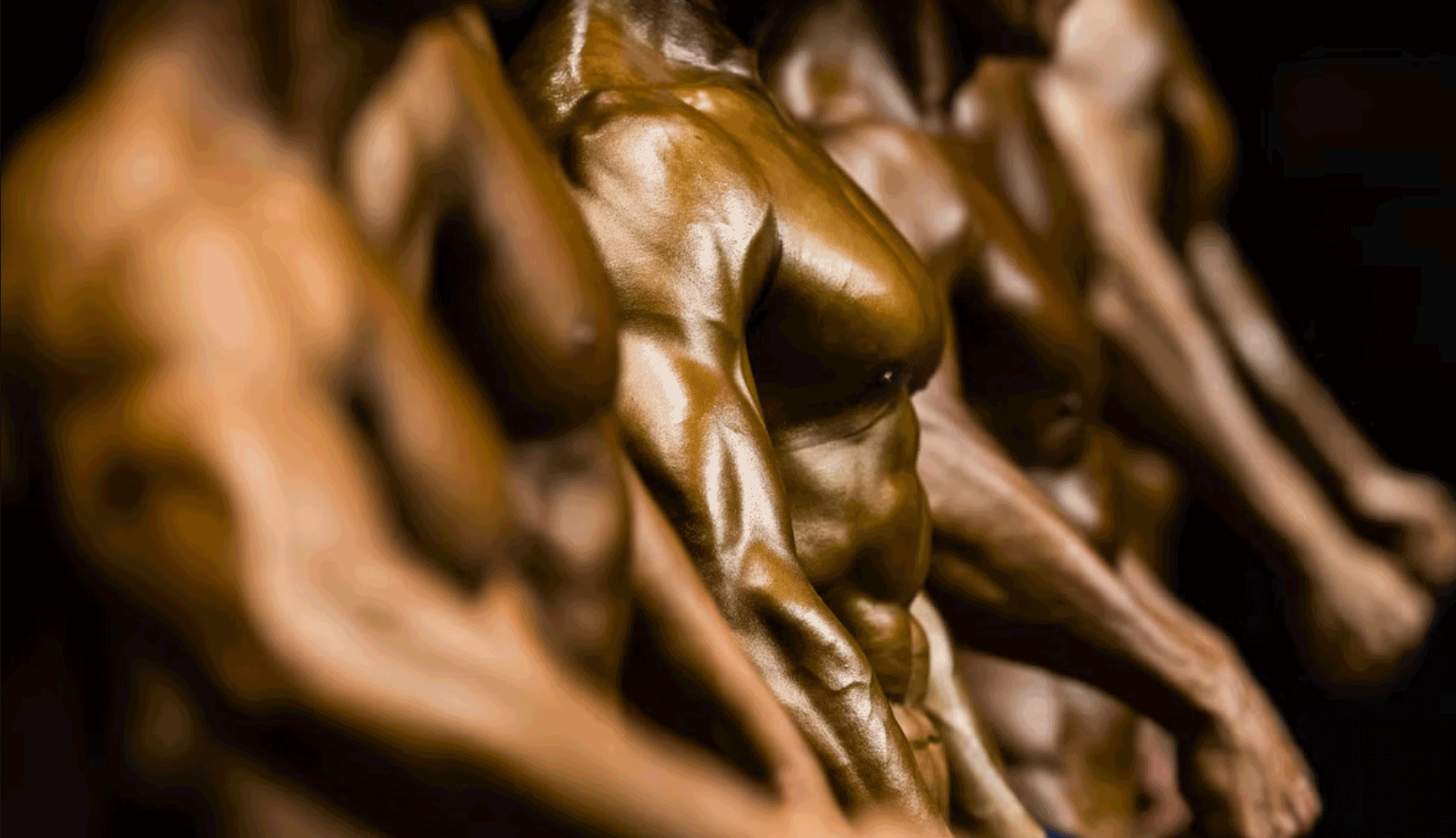
Bigorexia Nervosa, sometimes known as Muscle Dysmorphia, is a mental illness whereby a person becomes fixated on their body not being muscular enough—even if they are already quite powerful! 💪 Consider it as a distorted mirror: they still feel little or “not good enough” regardless of the degree of muscle development.
This disorder is a component of the more general Body Dysmorphic Disorder (BDD). While most people relate BDD with anxiety about weight, bigorexia turns the tide. Those with muscular dysmorphia worry more of being “too small” or “weak-looking” than of fat.
Muscle Dysmorphia Symptoms: The Red Flags 🚩
How would one find out whether someone suffers with bigorexia? The following are the main indications to be on lookout:
- Gym Addiction 🏋️♂️: Spending hours daily, even when injured or tired, weightlifting. Ignoring a workout pushes one into guilt or panic.
- Mirror Obsession 🔍: Selfies taken to examine muscles or continuous checking of their mirror. The spoiler is they are never happy.
- Strict Diets 🥗: To keep “lean,” check every calorie, eat mostly high-protein foods, or skip social gatherings.
- Social Withdrawal 🚪: Avoiding beach trips or celebrations if one fears others might criticize their body.
- Steroid or Supplement Abuse 💊: Bulk up quickly with dangerous goods including protein powders, creatine, or even anabolic steroids.
Why Does Muscle Dysmorphia Occur? 😐
Bigorexia transcends mere “wishing to look good.” Driving it are elements of social, psychological, and biological nature:
1. Social Media & Unrealistic Standards 📱
Influencers flogging “perfect” muscles abound on Instagram and TikHub. But guess what? Many of those pictures are taken following months of intense dieting and training, filtered, or altered. Feeling that they will never measure up, teens and young adults compare themselves to these false standards.
2. Low Self-Esteem & Perfectionism 😞
Those with bigorexia sometimes link their value to their beauty. If I’m not muscular, I’m useless, they might say. Perfectism can escalate into anxiety or melancholy.
3. Genetics & Brain Chemistry 🧬
You might be more prone to develop muscular dysmorphia if a member of your family has a past of eating disorders or OCD. Additionally involved in obsessive thinking are brain chemicals like serotonin.
How is Muscle Dysmorphia Diagnosed? 🩺
Though clinicians utilize these hints to identify it, there is no official “muscle dysmorphia test”:
- Obsessive Behaviors: Strict diets, steroid use, or two plus hours of daily exercise.
- Emotional Stress: About body image, one feels unhappy, nervous, or suicidal.
- Effect on Life: Neglecting friendships, employment, or education in favor of gym time.
Pro Tip: Should you be hesitant, do this fast self-check:
- You worry about looking little all the time?
- You call off scheduled workouts?
- Should you miss a workout day, would you feel ashamed?
If you responded “yes,” it’s time to see a therapist!🧠
How to Beat Bigorexia Nervosa 💪❤️
Recoverable is indeed feasible! Here is what works:
1. Cognitive Behavioral Therapy (CBT) 🛋️
CBT aids you in substituting better ideas for negative ones like “I’m too weak”. “My worth isn’t tied to my muscles,” for instance.
2. Medication 💊
SSRIs among antidepressants help to lower anxiety and obsessive thinking. Often used in conjunction with treatment are.
3. Nutrition Counseling 🥑
A dietician can assist you to consume well balanced meals free from tight guidelines. Living off chicken and protein smoothies is no more! 🍗➡️🍎
4. Support Groups 🤝
Joining a community allows you to share hardships with those “get it.” For materials, look at groups like the National Eating Disorders Association (NEDA).
Prevention: How to Protect Yourself & Others 🌟
For Parents & Friends:
- Limit Social Media: Talk about how influencers use filters and tricks.
- Praise Non-Physical Traits: Celebrate kindness, creativity, or humor—not just looks!
- Spot Warning Signs: If someone avoids social events or talks nonstop about muscles, gently suggest therapy.
For Gym Lovers:
- Set Time Limits: Cap workouts at 1 hour/day. Rest is just as important as lifting!
- Ditch Supplements: Many are unregulated and risky. Stick to whole foods 🥦.
- Follow Body-Positive Accounts: Unfollow influencers who trigger insecurity.
Final Thoughts: You’re More Than Your Muscles 💖
Though rehabilitation starts with self-compassion, bigorexia nervosa is difficult. Remember: Your biceps or six-pack defines nothing about your value. 🌈 Contact a therapist or helpline right now if you or someone you know are struggling. You really have this!
Need assistance. See our online recovery guidelines and assistance strategies meant to increase confidence and good practices. Click here to launch your adventure! 🚀.